
The Nature of Luck in Gambling
Luck is a term that resonates deeply within the gaming community, often seen as a decisive factor in the outcomes of various games. In casino environments, where the margins of victory can be razor-thin, many players cling to the belief that luck plays a pivotal role in their success. This notion is particularly prevalent in games of chance such as slots, roulette, and dice, where the outcomes are primarily determined by randomness rather than skill. Players looking for favorable odds often research online casino sister sites to find platforms that offer better chances, enhancing their overall gambling experience and leading them to partake with a sense of optimism.
However, the concept of luck is not just limited to the immediate moment of play; it also extends to the environment and context. Players often believe that certain locations within a casino, or specific times of day, may yield a higher likelihood of favorable outcomes. Anecdotal stories of players hitting jackpots on lucky machines or experiencing winning streaks during particular hours serve to reinforce this belief. This idea of an environment steeped in luck can elevate the excitement of the gaming experience, making players feel more connected to their surroundings.
Despite the reliance on luck, it is essential to recognize that luck is inherently unpredictable. While some players may experience fortunate streaks, others may face losses regardless of their strategies. This unpredictability is part of what makes gambling engaging. The dance between hope and reality keeps players returning to the tables. Ultimately, while luck may influence the casino experience, understanding the role of chance versus strategy is crucial for a balanced approach to gaming.
Psychological Effects of Believing in Luck
The belief in luck can profoundly affect a player’s mindset and behavior while gambling. When players feel lucky, they are more likely to take risks, placing larger bets or trying new games without hesitation. This confidence, often fueled by previous wins or positive experiences, creates a feedback loop where winning reinforces the belief in luck. Conversely, the psychological burden of feeling unlucky can lead to a more cautious approach, causing players to withdraw from games or avoid certain bets altogether.
Additionally, the social aspect of luck cannot be overlooked. Players often share their stories of good fortune, creating a communal belief that luck is tangible and shared among friends or groups. This social reinforcement can enhance the thrill of the experience, leading to a supportive atmosphere where luck is celebrated. Conversely, discussions about bad luck can foster feelings of frustration and lead to unhealthy gambling behaviors. Understanding these psychological influences helps illuminate how luck impacts not just individual experiences but the overall gaming culture.
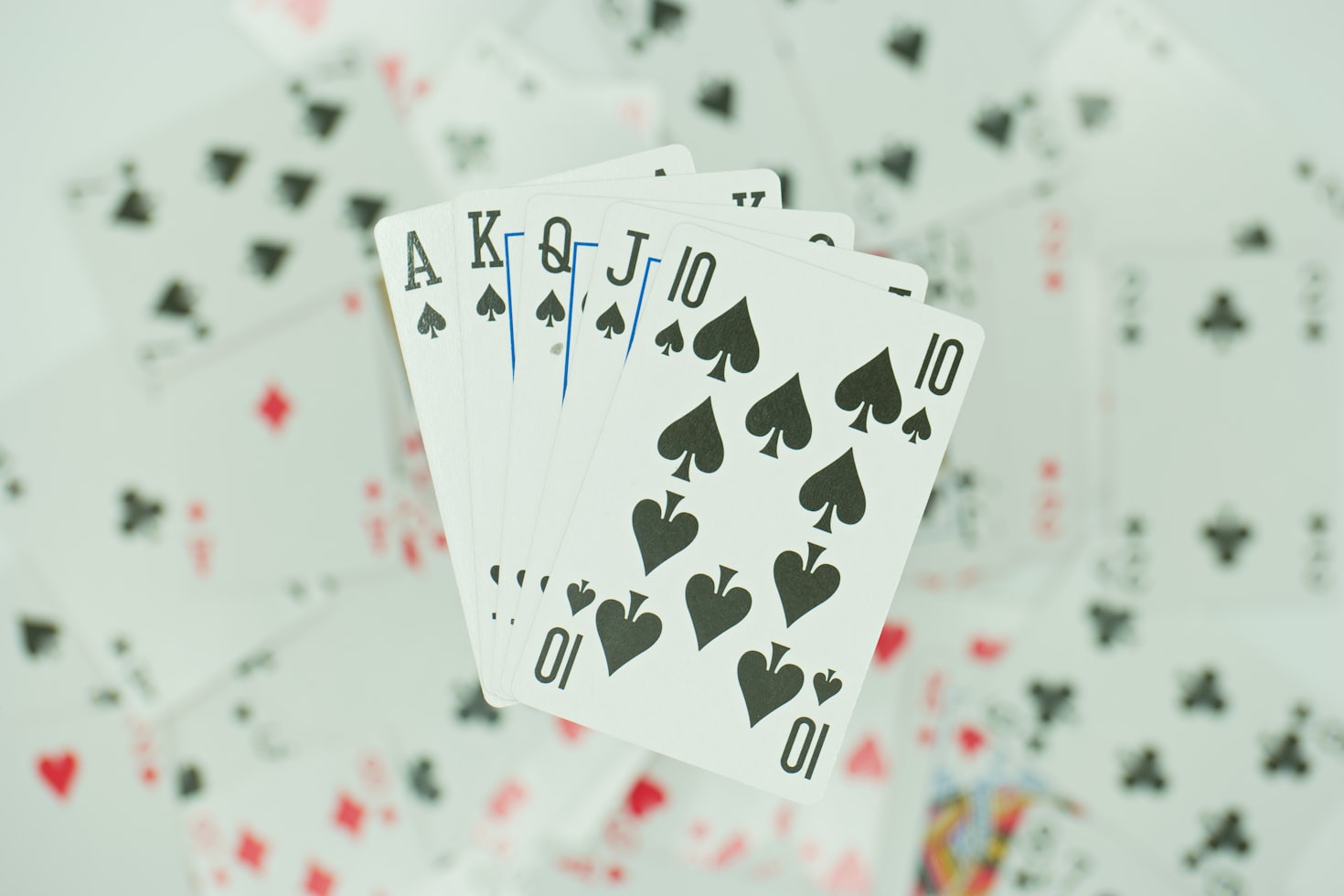
Moreover, the concept of luck in gambling can lead to superstitions and rituals. Players might engage in specific behaviors, such as wearing certain clothing or following particular routines, to invoke their luck. These actions, though lacking in scientific backing, provide a sense of control in an otherwise unpredictable environment. The engagement in luck-driven rituals can elevate excitement, adding layers to the gambling experience and allowing players to feel more connected to their fate at the tables.
The Role of Skill and Strategy
While luck is a significant element in the casino experience, many games also involve an essential component of skill and strategy. In table games like poker and blackjack, players can influence outcomes through calculated decisions and tactics. Understanding odds, leveraging psychological tactics against opponents, and implementing effective betting strategies can often yield better results than relying solely on luck. This blend of skill and chance creates a dynamic tension that makes these games particularly compelling.
Moreover, players who invest time in learning game strategies can experience a more fulfilling gambling experience. They can develop insights that lead to more informed decisions, improving their chances of success over time. This balance of skill and luck allows for a rewarding gaming experience, where players can feel a sense of accomplishment beyond simply relying on fortune. The ability to engage in strategic play can also foster longer-lasting enjoyment, as players may find satisfaction in honing their skills alongside the thrill of uncertainty.
In contrast, games of pure luck, such as slots and roulette, can leave players feeling more at the mercy of fate. While these games can provide immediate excitement, they often lack the depth of strategy. This distinction may influence how players perceive their gambling experiences, with many gravitating toward games that offer both luck and skill. Understanding which games align with personal preferences can significantly enhance one’s enjoyment and engagement in the casino environment.
Understanding Gambling Addiction and Luck
Belief in luck can have both positive and negative implications for players, particularly concerning gambling addiction. On one hand, the notion of luck can make the experience enjoyable and thrilling, encouraging players to engage in the atmosphere of chance without the pressure of high stakes. However, on the flip side, a strong belief in luck can lead to compulsive behaviors where players chase losses, driven by the hope that their luck will change. This cycle can lead to significant financial and emotional consequences if not managed wisely.
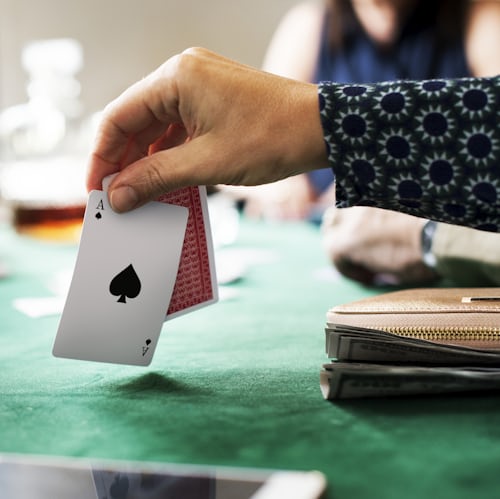
Gambling addiction often feeds off the idea that luck will eventually favor the player again, creating a dangerous mindset that hinders rational decision-making. Players may find themselves returning to the casino with the expectation of a turnaround, ignoring the underlying odds and statistics that dictate game outcomes. Recognizing the difference between healthy engagement with chance and dangerous compulsive behavior is essential for a sustainable gaming experience.
Awareness and education about the prevalence of gambling addiction are critical in combating the negative effects associated with luck. Many casinos and gaming institutions offer resources and support for those struggling with gambling-related issues. Promoting responsible gambling practices and providing information about the nature of chance can empower players to enjoy their experiences without falling victim to the pitfalls of addiction. Ultimately, fostering a healthy relationship with gambling, grounded in a balanced understanding of luck and strategy, is key to a fulfilling casino experience.
Finding Balance in Casino Gameplay
In conclusion, the influence of luck on your casino experience is undeniable, but it should be approached with a balanced perspective. Understanding that luck plays a role while also acknowledging the importance of strategy and responsible gambling practices can enhance enjoyment and minimize risks. Players should seek to enjoy the thrill of chance without allowing it to overshadow rational decision-making or lead to indulgent behaviors.
Moreover, embracing the ups and downs of gambling as part of the overall experience can lead to a healthier outlook. Players should find joy in the act of playing rather than solely focusing on the outcomes. Whether it’s enjoying the company of friends at the tables or the adrenaline rush of spinning the slots, the casino experience can be rich and varied.
As you embark on your gaming journey, remember that while luck may influence outcomes, it is your mindset and approach that truly shape your experience. Enjoy the excitement, engage responsibly, and cherish the unique blend of chance and skill that the casino world offers. Embrace the adventure that awaits and keep a balanced perspective for the best possible experience.